
Terrex cranes are renowned in the construction industry for their reliability, performance, and versatility. To keep these cranes operating at peak efficiency, it is essential to understand the various components that make up their intricate systems. Having a thorough knowledge of terrex crane parts allows construction professionals to maintain equipment properly, troubleshoot issues quickly, and ensure workplace safety.
Whether you are managing a large construction site or operating cranes for specialized lifting tasks, understanding the parts of a Terrex crane is fundamental. From structural components to hydraulic systems and electrical elements, each part plays a critical role in the overall function of the machinery.
Structural Components of Terrex Cranes
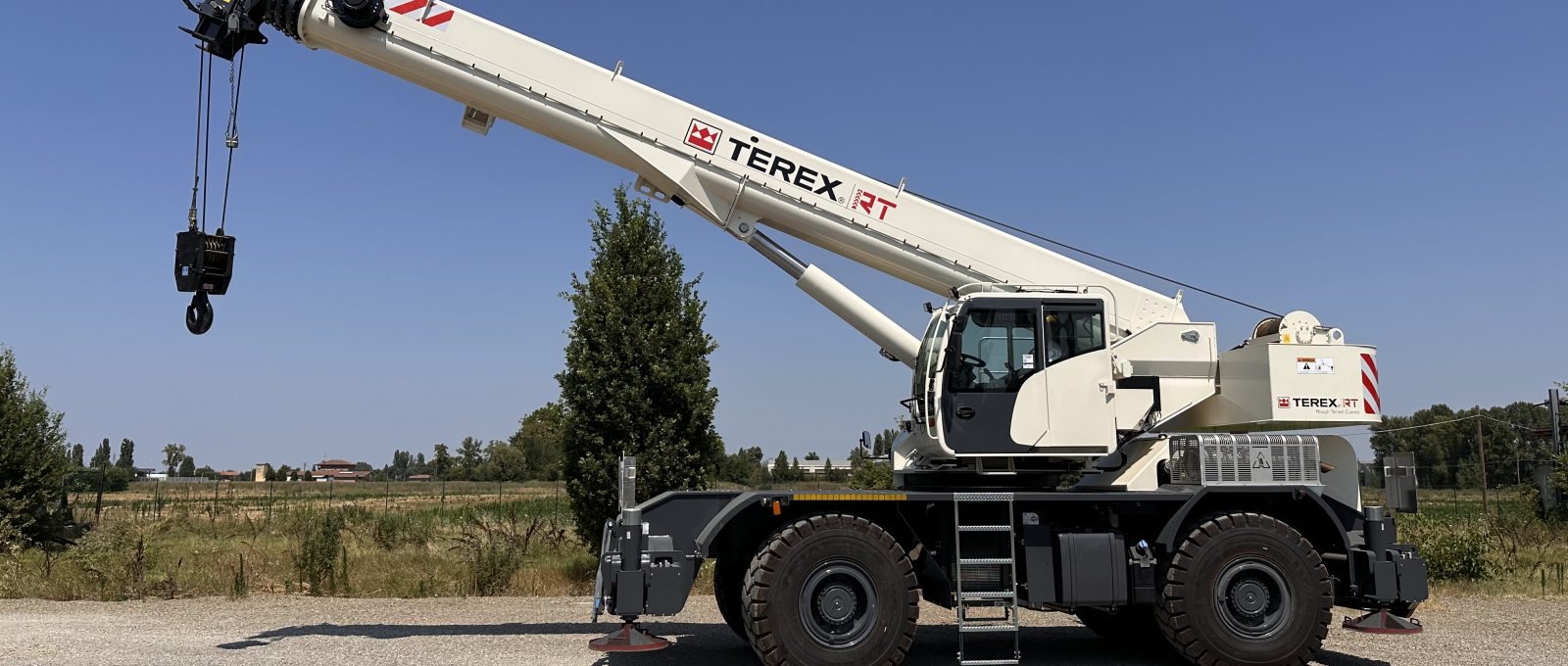
The structure of a Terrex crane provides the stability and support necessary for heavy lifting operations. Core terrex crane parts within this category include the boom, jib, counterweights, and chassis.
The boom, often the most visible component, serves as the crane’s primary lifting arm. It is designed to extend and retract depending on the height and reach required. The jib, an extension attached to the boom, allows cranes to reach further and maneuver loads with precision. Counterweights ensure balance during lifts, preventing tip-overs and improving operational safety. The chassis forms the base structure, supporting all other parts and enabling mobility across construction sites.
Maintaining structural components involves regular inspections for cracks, corrosion, or mechanical wear. Proper lubrication and adherence to manufacturer guidelines for terrex crane parts in the structural category are crucial to avoid costly downtime.
Hydraulic and Mechanical Systems
Hydraulic systems are the heart of Terrex crane functionality, enabling smooth and powerful lifting movements. Key terrex crane parts in the hydraulic category include pumps, cylinders, valves, and hoses. Pumps generate the pressure required to operate the crane’s lifting functions, while cylinders convert hydraulic pressure into mechanical motion, moving the boom and jib. Valves regulate fluid flow, and hoses connect all components to ensure seamless hydraulic operation.
Mechanical systems, including gears, bearings, and winches, work in tandem with hydraulic systems to control load lifting, rotation, and positioning. Regular maintenance of hydraulic and mechanical terrex crane parts is essential for consistent performance. This includes checking fluid levels, replacing worn hoses, and ensuring gears and bearings are properly lubricated.
Understanding the interaction between hydraulic and mechanical parts allows operators and maintenance professionals to identify issues quickly. A well-maintained set of terrex crane parts minimizes the risk of mechanical failures that can disrupt construction timelines.
Electrical Components and Safety Systems
Modern Terrex cranes integrate advanced electrical systems to enhance precision, efficiency, and safety. Important terrex crane parts in this category include control panels, sensors, wiring, and limit switches. Control panels allow operators to manage crane functions safely, while sensors monitor load weight, boom angle, and operational status. Wiring ensures connectivity across systems, and limit switches prevent movements that could compromise safety.
Safety systems, including alarms and emergency shut-off mechanisms, are vital terrex crane parts that protect both operators and on-site personnel. Ensuring that these electrical components are in proper working order is a critical aspect of crane maintenance. Regular testing, inspection, and timely replacement of faulty parts help maintain safety standards on construction sites.
Accessories and Specialized Parts
In addition to core structural, hydraulic, and electrical components, Terrex cranes rely on a range of accessories and specialized terrex crane parts. These include hooks, slings, pulleys, and attachments designed for specific lifting tasks. High-quality accessories not only extend the versatility of cranes but also ensure secure and efficient load handling.
Replacement and maintenance of accessories are just as important as maintaining primary crane components. Using certified Terrex parts guarantees compatibility and reliability, reducing the risk of accidents or equipment failure. Construction professionals often refer to a detailed terrex crane parts list to ensure they have the right components on hand for various tasks and emergency repairs.
Sourcing and Maintaining Terrex Crane Parts
Finding reliable suppliers for Terrex crane parts is essential for keeping operations running smoothly. Using a comprehensive terrex crane parts list helps professionals identify the components they need and locate certified distributors. Whether sourcing original equipment manufacturer parts or high-quality aftermarket replacements, prioritizing reliability and quality is critical.
Routine maintenance of all crane components, guided by a detailed terrex crane parts list, ensures longevity and peak performance. Scheduled inspections, proper lubrication, timely replacements, and adherence to manufacturer specifications reduce downtime, prevent costly repairs, and maintain operational safety.
Understanding the full spectrum of Terrex crane components and their functions equips construction professionals to handle maintenance, repairs, and upgrades efficiently. A complete awareness of terrex crane parts empowers operators and managers to maximize equipment reliability and enhance productivity on every project.